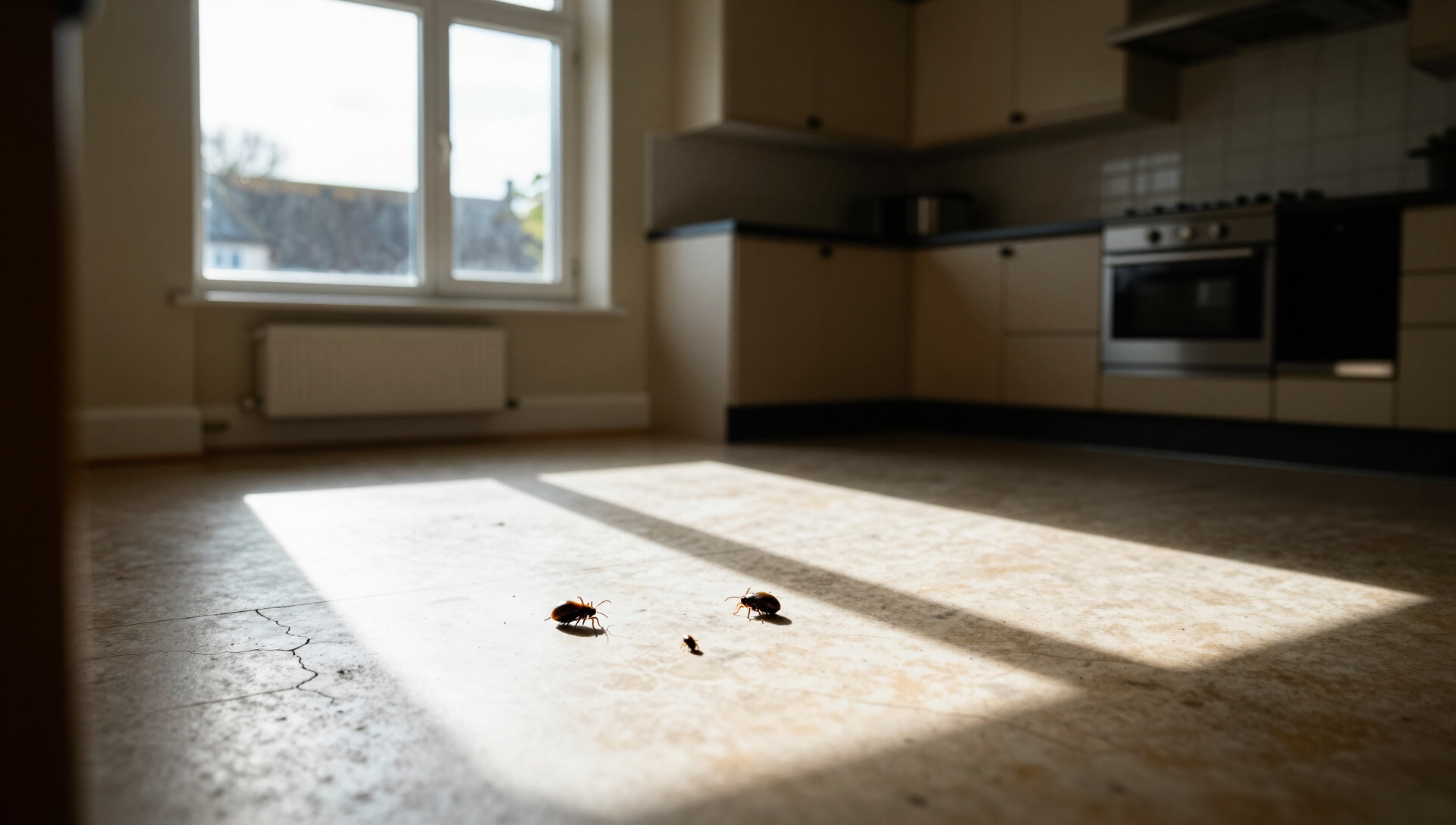
Stop pests before they start:
Your Abbotsbury prevention checklist Pests don’t wait for an invitation - they move in when conditions are right. In Abbotsbury, warm weather and abundant greenery create ideal conditions for ants, rodents, and spiders. The good news? Most pest problems can be prevented with a few smart habits and quick fixes around your home. Below, we break down the most common invaders and exactly what to do to keep them out.
Know your enemy:
What’s really attracting pests to your home? Pests aren’t just nuisances - they’re opportunists. They’re drawn to three things: food, water, and shelter. Understanding what lures them in is the first step to keeping them away.
- Ants follow scent trails straight to crumbs, sticky spills, or uncovered pet food. Even a single drop of juice on the counter can invite a parade.
- Rodents squeeze through gaps as small as a coin and nest in cluttered sheds, garages, or wall cavities. They’re attracted to unsealed garbage bins and pet food left outdoors.
- Spiders build webs in undisturbed corners, behind furniture, or in dark cupboards. They’re less interested in food and more interested in catching other insects.
- Cockroaches thrive in warm, humid spaces like under sinks, behind appliances, and in drains. They’re drawn to moisture and leftover food particles. Quick tip: Walk through your home with a flashlight. Look for moisture, food residue, or gaps larger than a pencil - these are all open invitations.
Seal the gaps:
Your home’s first line of defense Pests enter homes through tiny cracks and gaps that are easy to overlook. A thorough inspection now can save you from a full-blown infestation later.
Outdoor checks (start here)
- Doors and windows: Check weather stripping for gaps. Replace if worn or cracked. Install door sweeps on exterior doors.
- Vents and pipes: Cover vents with fine mesh screens. Seal gaps around plumbing, electrical lines, and cable entries with steel wool or caulk.
- Roof and eaves: Look for damaged roof tiles or gaps in the fascia. Repair any openings immediately.
- Garden beds and mulch: Keep mulch at least 30cm away from your home’s foundation. Piles of leaves, wood, or debris against the house create perfect hiding spots.
Indoor gaps to watch
- Baseboards and skirting: Check for cracks where pests can hide. Fill with silicone caulk.
- Cabinets and drawers: Inspect corners and hinges. Wipe down regularly to remove food residue.
- Laundry areas: Clean behind and under the washing machine and dryer. Lint traps and hidden moisture attract pests. Pro move: Use a torch to inspect dark corners at dusk when pests are most active. Pay special attention to under sinks, behind the fridge, and inside cupboards.
Food and water:
Cut off the supply Pests don’t need much to survive. Removing their food and water sources disrupts their entire lifecycle.
Kitchen and dining areas
- Clean up spills immediately. Even dried-on sauce can attract ants and cockroaches.
- Store food in airtight containers. This includes pet food, cereals, and baking supplies.
- Take out the trash regularly. Use bins with tight-fitting lids and empty them before they overflow.
- Wipe down appliances. Food particles collect under toasters, microwaves, and stoves.
Bathrooms and laundry
- Fix leaky taps and pipes. Dampness under sinks or behind washing machines is a magnet for pests.
- Use bathroom fans. Run them during and after showers to reduce humidity.
- Store toiletries in closed cabinets. Open bottles and damp towels can attract silverfish and cockroaches.
Outdoors and garden
- Clean up fallen fruit and nuts. These attract rodents and ants.
- Store firewood at least 1 metre off the ground and away from the house. Piles of wood touching the home provide easy access for termites and spiders.
- Empty pet bowls overnight. Leaving food out is an open invitation. Seasonal reminder: In summer, fruit flies and wasps are common. Keep fruit in the fridge and cover compost bins tightly.
When prevention isn’t enough:
Signs you need a professional Even with the best prevention, some pests are persistent. If you notice these signs, it’s time to act fast before the problem grows.
- Ant trails that keep returning despite cleaning and sealing.
- Gnaw marks on food packaging, wires, or furniture.
- Droppings in cupboards, under sinks, or along baseboards.
- Shed skins or egg casings in hidden corners.
- Unusual noises in walls or ceilings at night.
- Visible nests or hives near your home. Don’t wait: The longer pests are left unchecked, the harder and more expensive they are to remove. A quick call now can prevent a major headache later.
Your Abbotsbury pest prevention action plan
Follow this simple routine to keep pests out all year round.
Monthly tasks
- Inspect entry points and seal any new gaps.
- Clean kitchen surfaces and appliances thoroughly.
- Check under sinks and appliances for moisture or pests.
- Empty and clean bins inside and out.
Seasonal tasks
- Spring: Clear gutters, trim back overhanging branches, and declutter sheds.
- Summer: Store food securely, cover compost, and keep outdoor areas tidy.
- Autumn: Seal gaps before cooler weather drives pests indoors.
- Winter: Focus on indoor moisture control and storage areas.
Emergency tasks (do these immediately)
- Spill a sugary drink? Wipe it up right away.
- See a rodent? Set traps and block entry points the same day.
- Notice a wasp nest? Keep children and pets away and call a professional.
Common Abbotsbury pests and their habits
| Pest | Attracted by | Prevention focus | Quick fix if spotted |
|---|---|---|---|
| Ants | Crumbs, sticky surfaces | Store food, clean surfaces daily | Wipe trails with vinegar |
| Rodents | Clutter, unsealed bins | Declutter, seal gaps, store food | Set traps, block entry points |
| Spiders | Other insects, dark corners | Reduce clutter, seal gaps | Remove webs with vacuum |
| Cockroaches | Moisture, food particles | Fix leaks, clean drains, store food | Clean with borax solution |
Final thoughts:
Stay ahead of pests Pest prevention isn’t about one big effort - it’s about small, consistent actions. By keeping your home clean, sealing entry points, and cutting off food and water sources, you can avoid most pest problems before they start. If you’re ever unsure or notice signs of an infestation, don’t hesitate to reach out. A quick inspection can give you peace of mind and save you from a much bigger issue down the track. Remember: The best pest control is the kind you never have to do.